
Neuroscientist • Parkinson’s Researcher
Last updated: August 2026
Is there really a best diet for Parkinson’s disease — and can what you eat affect constipation, energy or how well levodopa works? This practical guide explains what to eat, what to limit and when meal timing may matter.
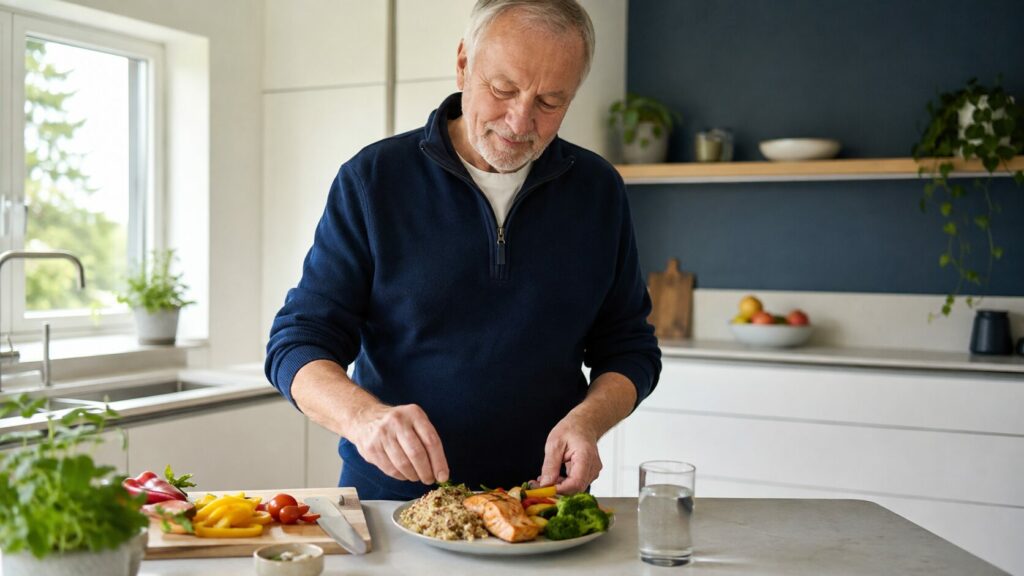
Food cannot cure Parkinson’s disease, and no single diet has been proven to stop its progression. However, eating well can support energy, muscle and bone health, bowel function and overall wellbeing. For some people, the timing of meals — particularly protein-containing foods — may also influence how consistently levodopa works.
Nutrition needs can change as Parkinson’s progresses. Constipation, swallowing difficulties, reduced appetite, unintended weight loss and difficulty preparing meals may all affect what and how much a person eats. Other health conditions and medications must also be considered, so the same dietary approach will not suit everyone.
This guide explains what a balanced diet for Parkinson’s disease may include, which foods or habits may need adjustment, and when meal timing matters. It also highlights situations in which advice from a doctor, Parkinson’s nurse or registered dietitian may be helpful.
This article provides general educational information and should not replace personalised medical or dietary advice.
Is there a specific diet for Parkinson’s disease?
There is currently no single “Parkinson’s diet” proven to slow or stop the disease. Most people are advised to follow a balanced eating pattern built around vegetables, fruit, whole grains, beans, nuts, healthy fats and suitable sources of protein.
Mediterranean-style diets are often discussed because they emphasise these foods and are associated with better cardiovascular and general health. Some studies have also found links between greater adherence to a Mediterranean-style diet and better outcomes in people with Parkinson’s disease. However, these findings do not prove that the diet changes the course of the disease.
A useful diet should instead be adapted to the individual. It may need to address:
- Constipation or inadequate fluid intake
- Weight loss or reduced appetite
- Difficulty chewing or swallowing
- Diabetes, high blood pressure or another health condition
- Bone and muscle health
- Levodopa response around protein-containing meals
The aim is not to follow a restrictive “perfect” diet. It is to maintain adequate nutrition while managing the symptoms and practical challenges that affect eating.
Foods to include regularly
A varied diet is more useful than relying on one “superfood.” Where suitable, try to include the following food groups regularly.
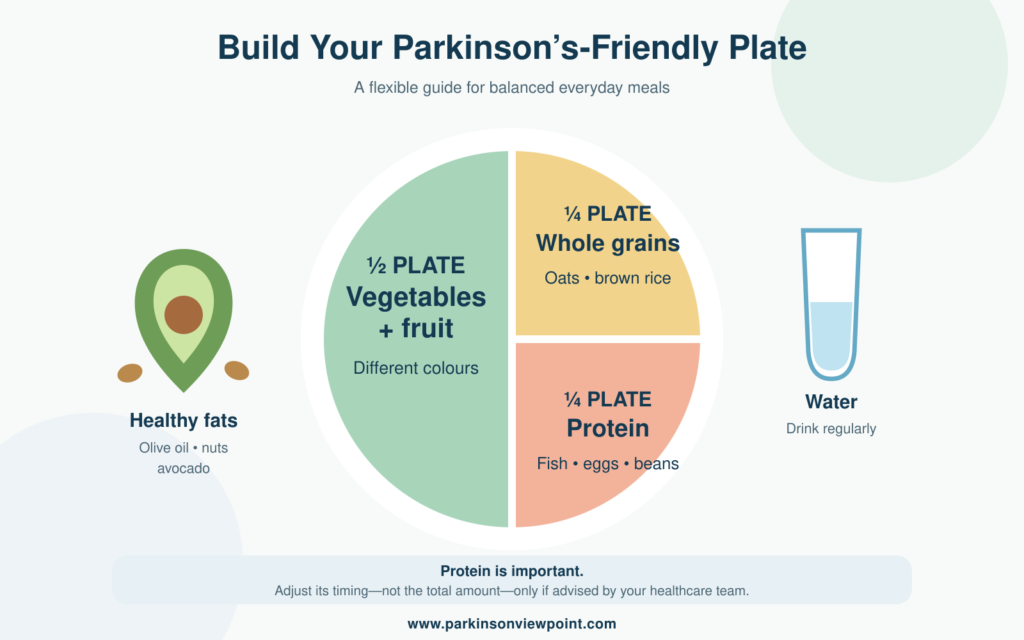
Vegetables and fruit
Choose different colours and types to obtain a broad range of fibre, vitamins and plant compounds. Fresh, frozen and low-salt canned options can all be suitable.
Whole grains and other fibre-rich foods
Oats, wholegrain bread, brown rice, beans, lentils, fruit and vegetables can support bowel health. Increase fibre gradually, particularly if constipation or bloating is already a problem.
Healthy sources of protein
Fish, eggs, poultry, beans, lentils, tofu, yoghurt and other suitable protein sources help maintain muscle strength and prevent malnutrition. Protein should not automatically be restricted. Some people taking levodopa may instead benefit from changing its timing or distribution.
Healthy fats
Olive oil, nuts, seeds, avocado and oily fish provide unsaturated fats and can add useful energy for people struggling to maintain weight.
Calcium- and vitamin D-containing foods
Dairy products or fortified alternatives can support bone health. This is particularly important because balance problems and falls may increase the risk of fractures in Parkinson’s disease.
Food choices should also reflect chewing ability, swallowing safety, appetite, allergies and other medical conditions.
Fibre, fluids and constipation
Constipation is common in Parkinson’s disease. Slower bowel movement, reduced physical activity, medications and difficulty coordinating the muscles used during a bowel movement may all contribute.
Fibre-rich foods can help keep stool softer and easier to pass. Useful options include:
- Vegetables and fruit
- Oats and whole grains
- Beans and lentils
- Nuts and seeds, when safe to chew and swallow
Increase fibre gradually. Adding a large amount too quickly may cause bloating, and fibre without adequate fluid can sometimes make constipation worse.
Water is generally the best drink for hydration, but there is no single amount that suits everyone. Fluid needs depend on body size, activity, weather and health conditions. People with swallowing difficulties or a medically prescribed fluid restriction should follow advice from their healthcare team.
Dietary changes may not be enough when constipation is persistent, painful or associated with incomplete emptying. See our detailed guide to constipation in Parkinson’s disease for practical treatment options and warning signs that need medical attention.
Protein and levodopa: when timing matters
Protein is essential for maintaining muscle strength, healing and general health. People with Parkinson’s disease should not reduce their overall protein intake unless advised by a qualified healthcare professional.
However, dietary proteins and levodopa use some of the same transport systems in the gut and bloodstream. In some people—particularly those experiencing motor fluctuations—a protein-rich meal may delay or reduce the effect of a levodopa dose.
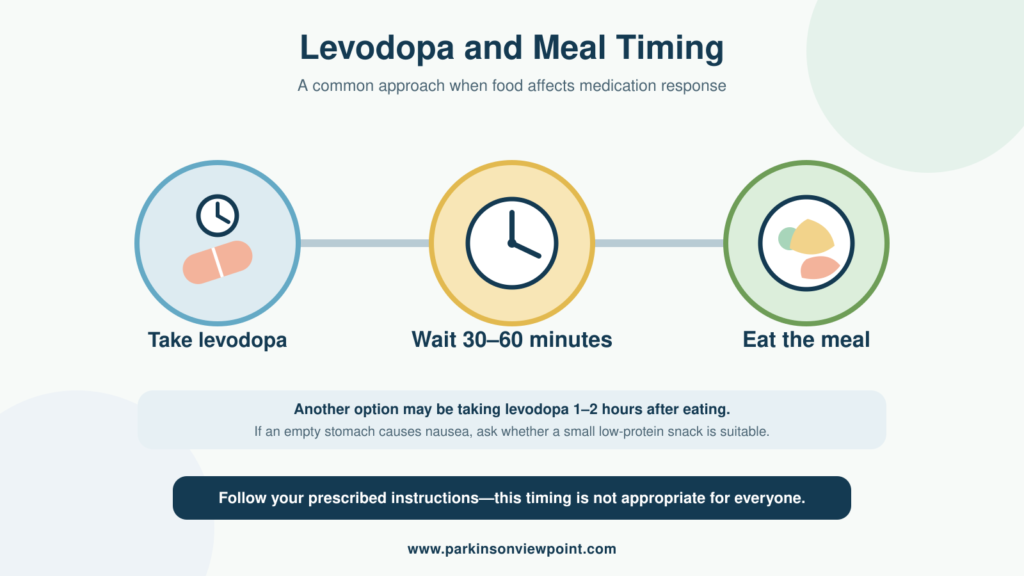
If this appears to be a problem, the healthcare team may suggest:
- Taking levodopa around 30–60 minutes before a meal
- Taking it approximately one to two hours after eating
- Moving a larger proportion of daily protein to the evening
- Keeping protein intake reasonably consistent from day to day
These strategies are not necessary for everyone. If taking levodopa without food causes nausea, it may be taken with a small, low-protein snack, such as crackers or fruit, if approved by the healthcare team.
Do not remove protein or substantially change its distribution without professional guidance. Older adults and people losing weight may be particularly vulnerable to muscle loss and malnutrition.
For more detail, read our guide to the best time to eat protein with levodopa.
Foods and drinks to limit
Most foods do not need to be completely avoided because of Parkinson’s disease. The aim is to reduce foods that displace more nutritious choices or worsen an individual symptom.
Consider limiting:
- Highly processed foods: These are often high in salt, added sugar or saturated fat and low in fibre.
- Sugary drinks and sweets: Frequent consumption can contribute to weight gain, dental problems and unstable blood sugar.
- Excess salt: High intake may worsen blood pressure or fluid-retention problems. However, people with Parkinson’s-related low blood pressure should seek personalised advice rather than restricting salt automatically.
- Large, high-fat meals: These may slow stomach emptying and could make medication response less predictable in some people.
- Excessive alcohol: Alcohol may worsen balance, sleepiness, dehydration or low blood pressure and may interact with medications.
- Too much caffeine: Moderate amounts are tolerated by many people, but caffeine may worsen tremor, anxiety, urinary urgency or sleep problems in some individuals.
Protein-containing foods should not be classified as foods to avoid. If protein affects levodopa response, adjusting its timing or distribution is usually more appropriate than removing it from the diet.
Pay attention to your own symptom and medication patterns, and discuss repeated reactions with a doctor, pharmacist or dietitian.
Weight loss, low appetite and swallowing difficulties
Unintentional weight loss can occur in Parkinson’s disease because of reduced appetite, difficulty preparing or eating meals, increased energy use from tremor or dyskinesia, loss of smell, low mood, constipation or swallowing problems.
If maintaining weight is difficult, practical strategies may include:
- Eating smaller meals and snacks more frequently
- Adding nutritious, energy-dense foods such as olive oil, nut butter, avocado, yoghurt or cheese
- Choosing softer foods that require less effort to chew
- Preparing meals during times when movement symptoms are better controlled
- Using adaptive utensils or asking for help with shopping and meal preparation
Coughing during meals, a wet or gurgling voice after swallowing, repeated chest infections, food remaining in the mouth, or meals taking unusually long may indicate a swallowing problem. Simply switching to softer foods or thickened drinks without assessment is not always safe.
A speech and language therapist can assess swallowing, while a registered dietitian can help maintain adequate nutrition. Unexplained weight loss or a noticeable change in swallowing should be discussed promptly with a healthcare professional.
Are supplements useful?
No dietary supplement has been proven to stop, reverse or reliably slow Parkinson’s disease. Products promoted for “dopamine support,” detoxification or brain protection should therefore be approached cautiously.
Large clinical trials have produced disappointing results for several widely promoted supplements. A randomized trial involving 600 people with early Parkinson’s disease found that high-dose coenzyme Q10 did not slow clinical progression. The earlier DATATOP trial similarly found that vitamin E did not delay the progression of disability.
Supplements may still be appropriate when a deficiency or specific nutritional risk has been identified. Vitamin D, for example, can be important for bones and muscles, especially in people at increased risk of falls or fractures. A clinical trial investigated vitamin D in Parkinson’s disease, but its results were not sufficient to establish vitamin D as a treatment that slows the disease. Its use should therefore be based on individual needs, dietary intake and, when appropriate, blood-test results.
Supplements can also interfere with medication. A small clinical study found that taking ferrous sulphate with levodopa/carbidopa reduced levodopa availability. People who require iron should ask a doctor or pharmacist how far apart the two products should be taken rather than stopping either treatment independently.
Evidence for omega-3 supplements, herbal products and high-dose antioxidant combinations remains insufficient to recommend them specifically for slowing Parkinson’s progression. Herbal supplements may also contain variable ingredients or interact with prescribed medicines.
Before taking any supplement, discuss the product, dose and timing with a doctor, pharmacist or registered dietitian, particularly if you use levodopa, take several medications or have another health condition.
A simple one-day meal example
There is no perfect daily menu for Parkinson’s disease, but the following example shows how fibre, healthy fats, vegetables and suitable protein sources can be distributed across the day.
Breakfast
- Porridge made with oats
- Berries or sliced fruit
- Ground seeds or a small portion of nuts
- Water, milk or a fortified alternative
Lunch
- Vegetable and lentil soup or a wholegrain sandwich
- A mixed salad with olive oil
- A piece of fruit
- Water
Snack
- Yoghurt, fruit, nut butter on wholegrain toast, or another nutritious option suited to your appetite and swallowing ability
Evening meal
- Fish, chicken, beans, tofu or another protein source
- Cooked vegetables
- Potatoes, brown rice or another wholegrain
- Water
People whose levodopa response is affected by protein may be advised to eat a smaller amount of protein earlier in the day and more with the evening meal. This should be planned with a healthcare professional to ensure that total protein and energy needs are still met.
Portion sizes and food textures should be adapted to appetite, body weight, swallowing safety, diabetes and other individual health needs.
www.parkinsonviewpoint.com
When to consult a dietitian or healthcare professional
Speak with a doctor, Parkinson’s nurse or registered dietitian if you experience:
- Unintentional weight loss or continued weight gain
- Reduced appetite or difficulty finishing meals
- Coughing, choking or a wet-sounding voice when eating or drinking
- Persistent constipation, nausea or abdominal discomfort
- Levodopa doses becoming less predictable around meals
- Difficulty balancing protein intake with medication timing
- Dehydration or difficulty drinking enough fluid
- Concerns about vitamin or mineral deficiencies
- Uncertainty about supplements or possible medication interactions
A dietitian can assess energy, protein, fibre and fluid intake and suggest changes suited to your symptoms, medications and other health conditions. A speech and language therapist should assess suspected swallowing difficulties.
Seek prompt medical advice for rapid weight loss, repeated choking, signs of dehydration or recurrent chest infections. These problems should not be treated through dietary trial and error alone.
Free 7-Day Food, Symptoms and Levodopa Tracker
Do certain meals seem to affect how quickly your medication works? This printable tracker helps you record levodopa times, meals, protein-containing foods, bowel movements and symptoms for seven days. Use the weekly summary to identify possible patterns and prepare more focused questions for your healthcare team.
Key takeaways
There is no single diet proven to stop or reverse Parkinson’s disease. A balanced eating pattern can nevertheless support bowel function, energy, muscle and bone health, medication response and overall wellbeing.
Focus on a varied combination of vegetables, fruit, whole grains, healthy fats and suitable protein sources. Fibre and adequate fluid may help constipation, but individual needs and medical conditions should always be considered.
Protein does not need to be avoided. If protein-rich meals appear to interfere with levodopa, adjusting the timing or distribution of protein may help—but this should not reduce overall nutritional intake.
Supplements should be used to address an identified need, not as a substitute for a balanced diet or a proven Parkinson’s treatment. Seek professional advice for unintentional weight loss, swallowing difficulties, persistent constipation or unpredictable medication response around meals.
Track your Parkinson’s day in less than a minute
The Parkinson’s Daily Diary App lets you record symptoms, medications, daily notes and doctor ready report in under a minute.



It is important to know that omega 3s DHA +EPA + DPA, From a non-ocean source as in farm-raised algae (rather than fish oil, thereby avoiding toxins and contaminants from our dying ocean )are more valuable for Parkinson’s patients – – they support BRAIN function heart function healthy joints, eyes and immune system.
Vitamin E and ubiquinol, the active form of Co enzyme -Q 10 (CoQ-10) are actually synergistic as antioxidants. Vitamin D3 with K2 sunflower sauce containing MK4 & MK7 I also essential in my mind.
I feel you should discuss calcium amounts, warn of excess metals like manganese, zinc, copper and iron. Fluoride tapwater and toothpaste containing fluoride likewise should be avoided.
Don’t forget about the energizing effects of methylcobalamin (vit B12)
(As opposed to cyanocobalamin) preceding NMN ARE ESSENTIAL FOR ENERGY (ATP). I wonder why you don’t mention the extraordinary free radical scavenging effect of high dose vitamin C (not exceeding 2000 mg a day I have learned–but then it is a water soluble vitamin).
Actually you know what, there’s a lot I see you don’t mention and I’m going to leave now and let you do your research. Thank you oh one other thing–not all Parkinson’s patients take
Synamet –more and more neurologists are supplementing the FDA
On-again off-again levodopa with plant derived l-dopa. indeed today many patients use it strictly without the FDA nausea provoking levodopa and the Cardidopa which is the drug urging patients to their proteins, it has its own side effects such as cataracts and glaucoma.
Also with a plant derived l-dopa, no accessory amino acids are needed to get the l-dopa across the gut barrier and blood brain barrier –with FDA Sinemet, only about 50% reaches the brain and one risks tyramine poisoning.
plant derived l-dopa reaches 98% straight to the brain. You might also mention that TRADITIONAL CHINESE MEDICINE acupuncture is better for BALANCE than EBS, with none of the associated EVS side effects and risks.