AI-Based Tremor Detection Apps For Parkinson’s Disease: Do They Work?

AI-based tremor detection apps are increasingly used by people who want to track shaking in their hands or arms, often with the hope of gaining clarity …

AI-based tremor detection apps are increasingly used by people who want to track shaking in their hands or arms, often with the hope of gaining clarity …

AI early detection Parkinson’s research has raised a powerful question: could signs of the disease be identified years before symptoms appear? While headlines often suggest certainty, …

Parkinson’s disease is a condition that evolves slowly, often in ways that are difficult to capture during occasional clinic visits. AI tools for Parkinson’s disease are …
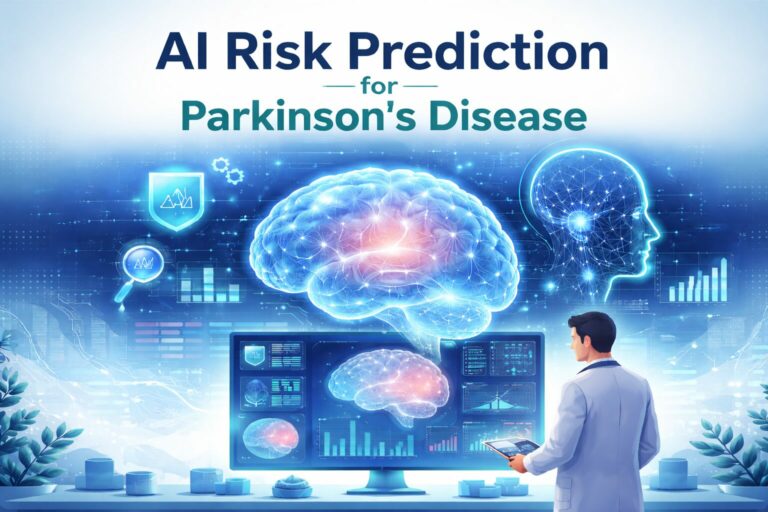
Parkinson’s disease develops gradually. Long before symptoms become noticeable, subtle biological changes begin to take place in the brain and nervous system. Understanding who is at …

Developing new drugs for Parkinson’s disease has traditionally been a slow, costly, and uncertain process. Many promising compounds fail late in development, and effective disease-modifying treatments …
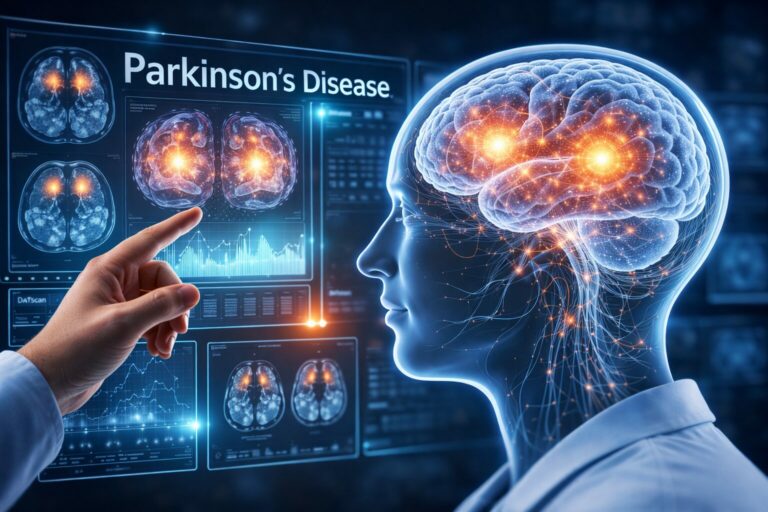
Brain imaging has long supported Parkinson’s diagnosis, but interpreting scans, especially in early cases, remains challenging. Recent advances in AI brain imaging for Parkinson’s disease show …

AI is now detecting early Parkinson’s disease symptoms in a way humans never could—through microscopic changes in how we walk. New research shows that AI analysis …
AI research on Parkinson’s disease is growing at a high speed, but keeping up with it can be very difficult. A major new review makes things …
Smartphones are becoming valuable research tools in Parkinson’s disease, but an important question remains: how strong is the evidence behind them? This article explores the latest …

A large phase III clinical trial has tested the diabetes drug exenatide (a GLP-1 receptor agonist) as a potential treatment for Parkinson’s disease. The trial aimed …